How to Use Lemon Vibrators When You Want Orgasms That Feel Different Than Before
Honestly, let's start here: your orgasms don't have an expiration date. But they do evolve. And that's not a loss. It's information.
Orgasms change for a hundred reasons. Hormonal shifts, aging, stress, medications, relationship dynamics, your nervous system recalibrating after trauma or surgery. Sometimes your body simply develops a preference for a different type of stimulation than it used to want. None of that means something is broken. It means you're being offered a chance to learn your body again from scratch. That's actually kind of exciting if you let it be.
The problem is that most people interpret "my orgasms feel different" as "something is wrong with me" and then panic. They stop exploring, assume they've lost capacity, or blame their partner. The real move is to get curious. Figure out what's changed. Adjust your approach. And often, find something that feels even better than what came before.
That's where lemon vibrators come in.
Why orgasm sensation shifts in the first place
Your clitoris has about 8,000 nerve endings. That's not changing. But the way your nervous system receives and processes stimulation absolutely can shift over time. Here's what actually happens:
Aging and hormonal changes (menopause, post-pregnancy, medication side effects) can thin the tissue around the vulva and change how quickly you experience arousal. The orgasm itself might feel more localized instead of full-body, or it might feel deeper and more concentrated instead of sharp and quick. Some people report their orgasms got longer after hormonal shifts. Others describe them as feeling softer, less intense.
Psychological factors matter wildly. Stress literally dampens sensation. If you're managing anxiety, grief, relationship tension, or major life transitions, your body's ability to feel pleasure can genuinely flatten. That's not weakness. That's your nervous system protecting you and asking you to slow down.
Medicinal side effects are real and often invisible. Antidepressants, blood pressure meds, hormonal birth control, and a hundred other prescriptions can mute sensation. So can alcohol, cannabis, and sleep deprivation. Your orgasm isn't gone. It's just quieter.
Lastly, simple adaptation. If you've been using the same technique for twenty years, your body gets used to it. Not in a broken way. Just in a "we know this pattern" way. Your nervous system literally stops paying as much attention to repetitive stimulation. That's why switching tools, patterns, or approaches can feel revelatory.
The specific advantage of lemon vibrators for shifted sensation
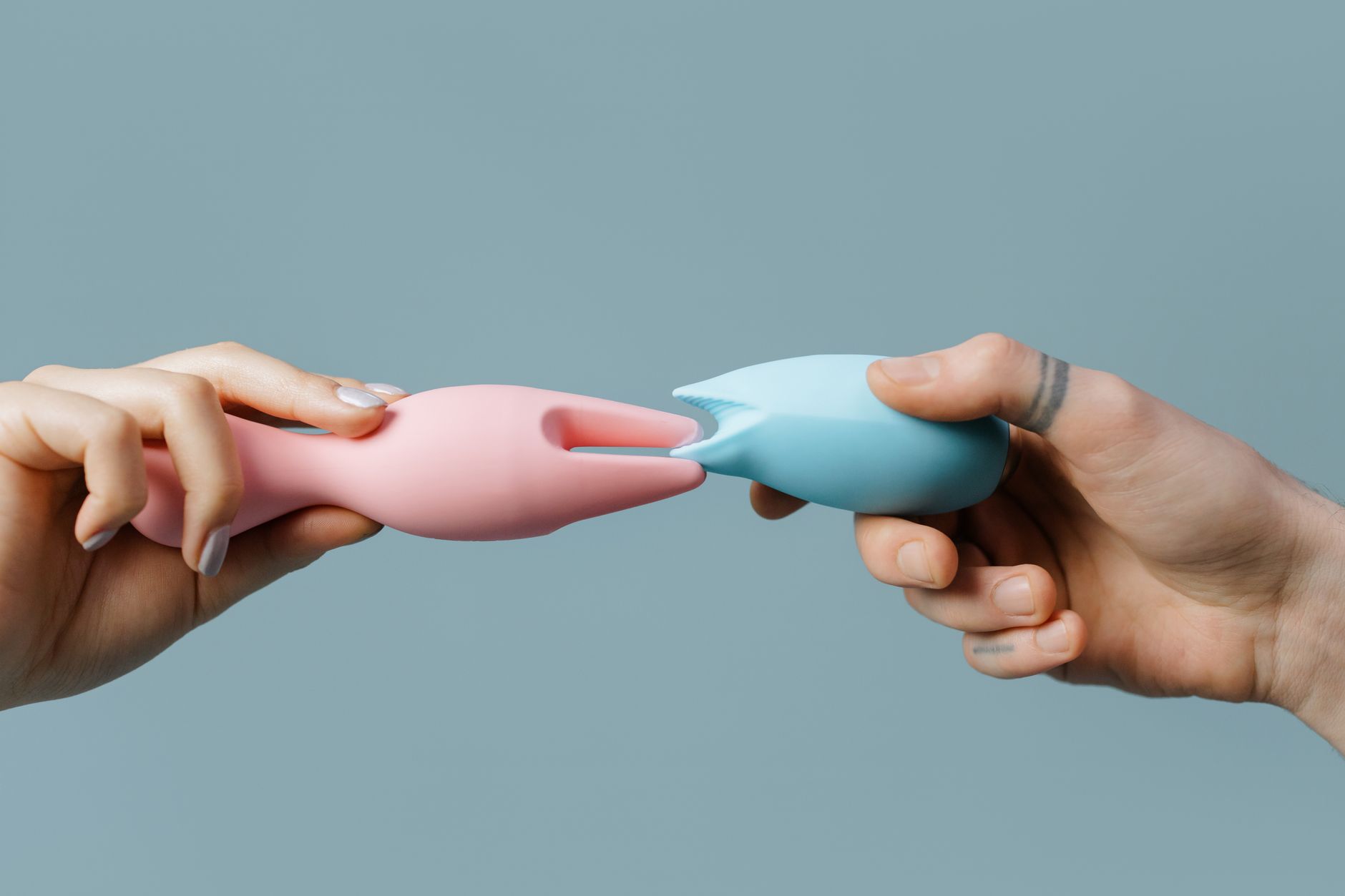
Lemon clitoral vibrators, especially models like those using air-suction technology, work differently than traditional vibrators. Instead of direct buzzing friction, they create a gentle pulsing suction that stimulates the entire clitoral complex, not just the external bud.
Why that matters: if your orgasms feel different because your sensitivity has shifted, suction-based stimulation often feels good in ways that traditional vibration doesn't. It's less abrasive. You can use lower intensities and still feel plenty. Many people report that the sensation feels less one-note and more like a building wave, which is particularly helpful if your orgasms have become flatter or harder to reach.
If your orgasms now take longer to build, the patience built into using a lemon sucker works in your favor. You're not rushing. You're settling into a rhythm that's meeting your body where it actually is right now, not where it used to be.
How to start exploring with a new tool
First rule: forget what used to work. Your pleasure preferences are not permanent laws. They're habits. Habits can change, and that's fine.
Start with the lowest pattern on your lemon vibrator. Seriously. Pattern 1. This is not about proving anything. You're gathering information. How does this feel? Does it feel good? Too intense? Not enough? Just sit with it for a few minutes without trying to orgasm. That's the whole goal right now.
Next, pay attention to where you want contact. The clitoral glans? The hood? The sides? Your labia? All of it at once? This changes too, by the way. Where you wanted touch five years ago might not be where you want it now. Use your tool like you're exploring a new pleasure geography. No pressure to find the "right" answer.
If intensity matters more now than it used to, move through the patterns slowly. Many people with shifted sensation find that they actually want more intensity than before, not less. That's not weird. It's just your nervous system needing a stronger signal to register pleasure. Work up to whatever pattern feels genuinely good. Not numb, not painful. Good.
The rhythm and timing adjustment
Here's what I see constantly: people expect their orgasms to happen on the same timeline they used to. That's the fastest way to get frustrated.
If it takes you twenty minutes now instead of five, that's not a failure. That's just information about what your body needs right now. Budget for that time. Make it part of your pleasure rather than something to rush through. Many people find that the longer buildup actually creates a more interesting orgasm than the quickfire version ever did.
Some people benefit from intermittent stimulation. Build arousal for five minutes, pull back for two. Build again. This creates waves instead of a straight climb. For bodies where sensation has become muted, that variation often feels better than consistent steady stimulation.
Try this: use your lemon vibrator on a lower pattern for longer. Literally twenty, thirty minutes if you have the time. Watch what happens to the sensation. Often, slower building creates deeper, longer orgasms. Your body is not tired. It's actually warming up.
Partner communication when things feel different
If you're exploring this with someone, you need one conversation. Not during sex. Not defensively. Just: "My body is asking for something different right now. That's not about you. It's about me learning what feels good now. Want to explore with me?"
Then show them. Let them watch or participate. Use your lemon vibrator solo first so you're not performing. Get comfortable with what actually works for you. Then, if your partner is involved, they can see exactly what's happening.
Many partners feel relieved when they realize the shift isn't about them being insufficiently skilled or attractive. It's just physiology. And often, discovering new preferences together actually deepens connection.
When sensation stays flat and that concerns you
If you're genuinely losing sensation and no tool seems to help, that's worth a conversation with a doctor. Reduced clitoral sensation can sometimes indicate nerve damage, advanced diabetes, or other treatable conditions. Not always. But worth checking.
Similarly, if pain appears where pleasure used to be, get that evaluated. Genitourinary syndrome, pelvic floor dysfunction, or other medical issues are real and fixable. Don't assume it's permanent or psychological.
But most of the time, sensation shifts are completely normal and completely responsive to exploration and patience. Your body isn't broken. It's just different. And different can be good.
FAQ: Orgasms that feel different
Why do orgasms feel less intense as you get older?
A few things happening at once. Hormonal changes (especially declining estrogen and testosterone) can affect nerve sensitivity and blood flow to the clitoris. The pelvic floor muscles, which contract during orgasm, gradually lose some tone and strength. And psychologically, life gets heavier. More responsibilities, more stress, less novelty. Your body isn't broken. It just needs different types of stimulation or more buildup time. That's why tools like lemon clitoral vibrators that work gradually can feel revelatory. You're not forcing intensity. You're working with what your body naturally wants to do right now.
Can my orgasms feel different because of stress or anxiety?
Absolutely, yes. Stress is a full-body nervous system response. When you're anxious or managing chronic stress, your parasympathetic nervous system (the "relax and enjoy" mode) takes a back seat. Your body is in survival mode. Sensation gets muted. Arousal takes longer. Orgasms, when they happen, often feel shallow or disconnected. This isn't permanent. It usually responds really well to actually lowering stress, not just distracting yourself during sex. That might mean therapy, meditation, reducing your workload, or even just sleeping more. Your pleasure will return once your nervous system feels safer.
What if my orgasm sensation changed after medication?
Common culprit. SSRIs, some blood pressure meds, and hormonal contraceptives can all affect orgasm quality. Usually it's fixable by adjusting dosage, switching medications, or timing your pleasure around your medication schedule if possible. Talk to your prescriber. This is absolutely worth mentioning. They have options and they want your quality of life to be good. In the meantime, lemon vibrators and air-suction tools often help because they reduce the amount of stimulation intensity your nervous system has to generate. You're giving your body more help.
Can using the same vibrator for years actually reduce sensation?
Yes, kind of. Your nervous system adapts to repetitive stimulation. It's called habituation. The same buzz pattern year after year becomes background noise. That's why switching tools, patterns, or even just taking a break sometimes makes sensation feel fresh again. Your body isn't tired. It just got bored. A lemon sucker using a completely different technology than what you've used before can feel shockingly good for exactly that reason.
Is it normal for orgasms to feel different with different partners?
Completely normal. Different partners create different emotional contexts. Different hands, different timing, different dynamics. Some partners make you feel safe and vulnerable. Others create more playful tension. Your body responds differently to each. That's not a sign anything is wrong. It's just how bodies work. What matters is communicating with whoever you're with about what feels good in this particular dynamic.
How long does it usually take to adapt to using lemon vibrators if sensation has shifted?
Usually a few sessions. Sometimes immediately if you've been missing this type of stimulation specifically. Some people need a few weeks of exploration to figure out what pressure, pattern, and duration works for their body right now. There's no timeline. This is curiosity, not a test you can fail. Your pleasure is the only measure that matters.
The bigger picture
Your orgasms are allowed to change. Your body is allowed to need different things at different seasons of your life. That's not loss. That's adaptation. That's maturity. And with the right tools and a little patience, different can absolutely mean better.
If you're ready to explore, lemon vibrators from Lemon Vibrators Official are designed exactly for this kind of experimentation. No pressure. Just better tools for learning what your body wants right now.
Want to talk through what might work for your specific situation? Reach out. That's what we're here for.