The awkwardness is normal and temporary
Here's the thing nobody tells you: after a long time away from your own pleasure, your body and brain don't recognise the signals the same way. You might feel numb. You might feel self-conscious. You might expect yourself to feel the way you did before, and when you don't, you panic and assume something's broken. It's not. Your nervous system is just recalibrating.
I work with people in this exact position all the time. The gap might be physical—a illness, surgery, medication shift, or life upheaval that made pleasure a non-priority for months or years. Or it might be emotional—grief, relationship recovery, or just getting lost in the grind of work and family. Either way, the transition back is its own process. The good news: you don't have to do it alone, and you don't have to do it fast.
Why lemon vibrators are different when you're rebuilding
When confidence is low, gentleness matters more than intensity. Most vibrators come at you with options—multiple patterns, escalating speeds—which is great once you know what you want. But when you're rediscovering yourself, you want something that meets you without demanding anything back.
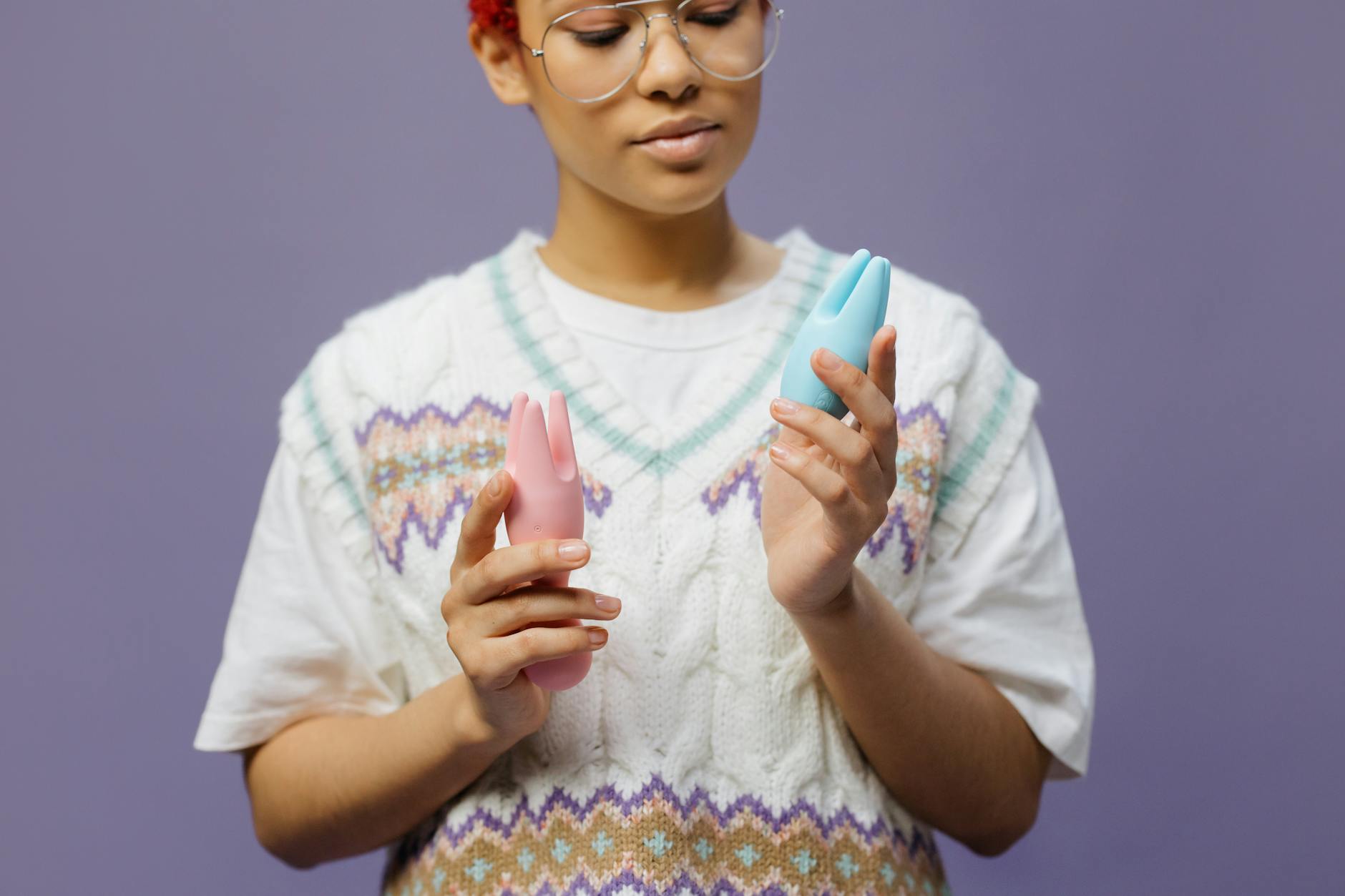
Lemon vibrators—especially the clitoral design of the Lem—work differently than traditional vibrators. They use gentle suction and pulsing rather than aggressive buzzing. That distinction is crucial when you're nervous. It doesn't feel invasive. It feels inviting. You control the pace entirely. You're not chasing a pattern or trying to 'keep up' with the toy. The toy is simply there, responsive to what your body needs in that moment.
This also means there's no performance aspect. You're not working toward an orgasm as a finish line. You're just exploring sensation, which is exactly what rebuilding confidence looks like in the beginning.
The groundwork: creating space without pressure
Before you even pick up a lemon vibrator, set one non-negotiable boundary: this is not about reaching an outcome. An orgasm would be lovely. No orgasm is also fine. The goal is reconnection, not achievement.
Second, give yourself time alone. Not stolen time between chores or in a rush before bed. Real time. Thirty minutes minimum, phone away, nothing else on the to-do list. Your nervous system needs to know it's safe to drop the 'productive' part of your brain and just be present in sensation.
Third, warm up slowly. A long dry spell means your body might need longer to wake up. Spend 10 to 15 minutes touching yourself—your breasts, your neck, your thighs, anywhere that feels good but isn't the goal zone yet. Breathe. Let your body remember what attention feels like.
Then, introduce the lemon vibrator on the lowest setting. No pressure to escalate. If lowest feels like too much, just hold it nearby without using it. Sometimes the anticipation of sensation is where the reconnection actually begins.
Building the habit of presence
One of the biggest confidence killers is the internal monologue that starts the second you try to feel something. Your mind goes: 'Am I doing this right? Why don't I feel anything yet? Is this broken? Am I broken?' That voice doesn't go away on its own. You have to interrupt it.
Each time you sit down with your lemon vibrator, pick one physical sensation to focus on. Not 'try to orgasm.' Not 'see if you're still capable.' Something specific like: 'I'm going to feel where the suction is strongest' or 'I'm going to notice my breath' or 'I'm going to see how my body responds if I slow down instead of speed up.'
When the doubt voice shows up (and it will), you simply redirect. 'That's interesting information, but right now I'm noticing my breath.' You're not fighting the voice. You're just choosing not to follow it. That skill alone rebuilds massive amounts of confidence because you're proving to yourself that you're in control of your own attention.
This is why solo practice with a lemon vibrator comes before bringing a partner into the picture, even if you're in a relationship. You need to remember that pleasure is yours first.
Dealing with numbness (and the patience it requires)
Sometimes after a long break, sensation feels muted. You might be waiting for the sensation to show up like it used to, and it's just... quiet. That doesn't mean your nerves are damaged. It means your brain's pleasure response is asleep, not dead.
The protocol here is frustratingly simple: you keep showing up without expecting results. A lemon vibrator helps because it's not aggressive. You can use it for 10 minutes, feel almost nothing, and stop without feeling like you failed. You weren't supposed to feel fireworks. You were just supposed to be consistent.
Consistency over time—even 10 minutes a few times a week—wakes the nervous system back up. You're sending a signal: 'It's safe to feel things again here.' After a few weeks, you'll notice a shift. Maybe it's subtle at first. Maybe it's just that the sensation reaches you a little faster. That's the whole game. That's the win.
If numbness persists for more than four to six weeks of regular practice, check in with your GP. It could be medication-related, hormonal, or neurological—none of which are permanent, but all of which benefit from professional support.
When you're ready to involve a partner
If you're rebuilding confidence in a relationship, the lemon vibrator becomes a different kind of tool: evidence that you're taking your pleasure seriously, which paradoxically makes partners feel more secure, not less.
Introduce it the same way you'd introduce anything else about your body—straightforward, no apology. 'I've been exploring with a vibrator to reconnect with myself, and I'd like to use it with you sometimes.' That sentence does three things at once: it explains the history, it frames it as intentional rather than reactive, and it invites them in without demanding participation.
When you do use a lemon vibrator together, the dynamic shifts from pressure to play. Your partner can explore it alongside you, or they can simply be present while you use it. Both are valuable. The point is that your pleasure stops being someone else's job to create and becomes something you're collaborating on.
Rebuilding confidence isn't about erasing the time away. It's about proving to yourself that pleasure is still accessible, still yours, still worth your attention.
The timeline is not linear
You might feel great for a week, then hit a wall for two days. That's normal. Confidence isn't a straight line up. It's a series of small wins with occasional setbacks, and all of it counts.
One client described it like learning to trust a partner again after a breach. You have these moments where you remember why you felt safe, and then you have moments where the old fear shows up. Both are part of the process. Neither means you're failing.
The Lem or another lemon clitoral vibrator works well here because it removes the variable of 'am I using this right.' The tool is intuitive. Your job is just to show up and pay attention. That simplicity is what lets you focus on the actual work, which is rebuilding your relationship with your own body.
A note on comparison
If you're rebuilding after a long gap, you might compare yourself to how you were before. That's the worst possible measuring stick. Your body is different. Your life is different. Your nervous system is different. That doesn't make it worse—it makes it an entirely new chapter.
Some of my clients report that pleasure after a long pause actually feels richer than it did before, once they're back in. There's presence there. Intentionality. A real gratitude for sensation that wasn't there when pleasure was just something that happened. Give yourself permission to discover what this version of pleasure feels like for you.
FAQ: Rebuilding Confidence With Lemon Vibrators
How long does it actually take to feel something again after a long break?
It varies widely depending on what caused the pause and what's happening in your life now. Some people feel a shift within two to three weeks of consistent practice. Others take eight to twelve weeks. The variable isn't usually your body—it's stress, medication, hormonal status, and how much permission you're genuinely giving yourself. If nothing shifts after six weeks of regular practice, that's the time to check in with a GP or sex therapist.
What if I feel guilty for prioritising pleasure when I haven't in years?
That guilt is usually rooted in the belief that pleasure is a luxury or something indulgent. It's not. Sexual pleasure is a normal human function and a form of self-care with measurable benefits for stress, sleep, and mood. You don't need to earn it. You don't need to justify it. The fact that you've been without it for a while doesn't make it less necessary. If guilt persists, it might be worth exploring in therapy, especially if it's connected to relationship dynamics or upbringing.
Should I use lemon vibrators differently if I'm rebuilding versus if I've never had a gap?
Yes, slightly. When you're rebuilding, you want to prioritise presence over outcome. That means lower settings, longer warm-ups, and explicit permission for 'nothing happened and that's fine.' If you've always had a steady pleasure practice, you might use a lemon clitoral vibrator more directly toward orgasm. When rebuilding, it's a tool for reconnection first.
Can I use lemon vibrators with a partner if I'm not feeling much solo yet?
You can, but I'd recommend spending at least two to three solo sessions first. Why? Because if you're not feeling much on your own, the pressure of someone else being present will amplify the self-consciousness. Give your nervous system a chance to settle when the stakes feel lower. Once you've had even a few moments of positive sensation solo, partner play becomes less fraught.
What if I'm rebuilding after a breakup and feel weird about pleasure?
That's extremely common. Pleasure can feel tied to the person you were with, or it can feel disloyal, or it can feel unsafe if there was any coercion in the previous relationship. This is where a lemon vibrator's gentleness matters. It's not aggressive. It's not demanding. It's asking your body 'are you ready to feel safe here again?' over and over. If there's trauma involved, pairing this with therapy is the real path forward. The vibrator is a tool. The therapist is the guide.
How do I know the difference between numbness and just not being interested?
Numbness is physiological—you're trying, you're present, but sensation isn't arriving. You're not interested is psychological—you'd rather do almost anything else, and the idea of trying feels exhausting. Both are legitimate. If it's numbness, consistency and patience help. If it's genuine disinterest, that's also information. Sometimes the body needs time. Sometimes the answer is 'pleasure isn't my priority right now and that's okay.' You don't have to force it.
Can medication affect how lemon vibrators feel?
Absolutely. Antidepressants, blood pressure meds, hormonal birth control, and medications for anxiety can all affect sensation and arousal. If you've been on a new medication for a few months and numbness started around then, definitely mention it to your prescriber. Sometimes a dose adjustment or timing shift helps. You deserve to feel good and to feel pleasure.
The real confidence rebuild
Confidence isn't restored by one perfect experience. It's restored by showing up for yourself repeatedly, without judgment, and noticing that you're still capable of pleasure. Every time you sit down with a lemon vibrator and give yourself permission to feel whatever comes up—or nothing at all—you're sending a message to your nervous system: you matter. Your body matters. Your pleasure matters.
That message, reinforced over weeks and months, is what actually rebuilds confidence. The vibrator is just the vehicle.
If you're struggling with this process or it doesn't feel like it's moving forward, reach out. There's no shame in getting professional support—a therapist, a sex coach, or your GP can all help figure out what's really happening and what you need. You don't have to figure it out alone.